

As we prepare to open our Into the Forest submission call next week, let’s take a look at 10 crazy facts about some of the plants and animals that live on Earth.
Those of you who follow us on Twitter are likely to have seen some/all of these facts pop up on your timeline as part of our #DidYouKnow series.
1. Acacia trees can warn each other of danger.

Photo by S Gensicke
When herbivore animals approach an acacia tree, it emits ethylene gas to alert all the nearby trees of the threat.
Once alerted, the trees also increase the tannin levels in their leaves to toxic levels.
2. Pangolins are named after the Malay word for roller.
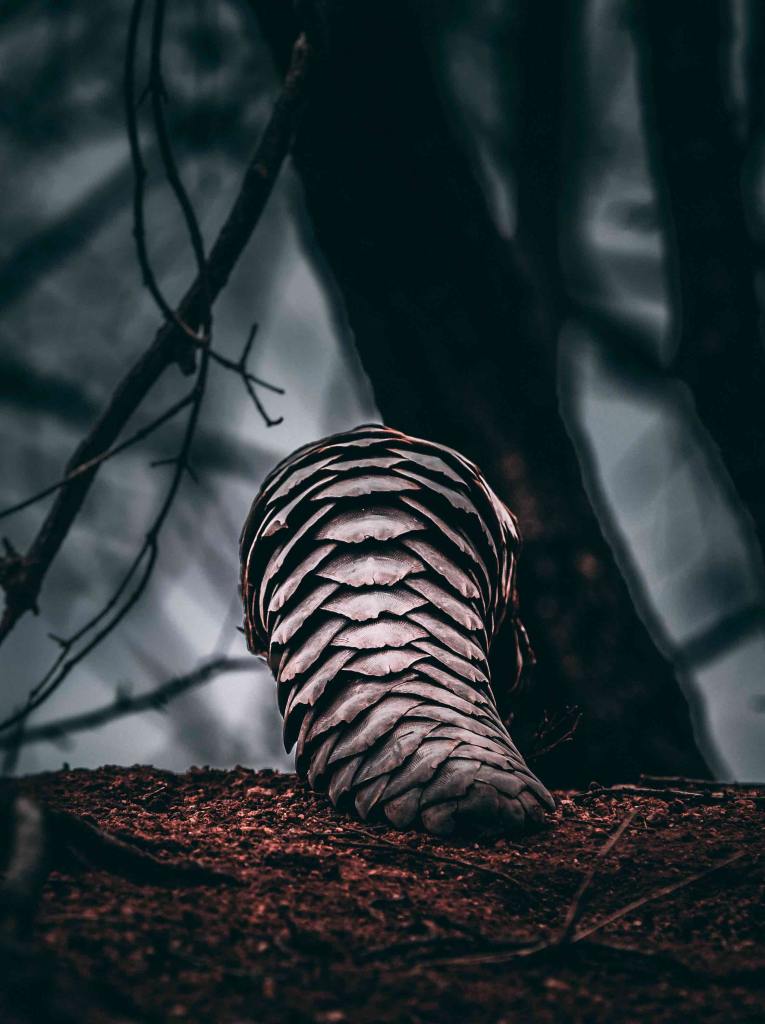
Photo by Geran de Klerk
Their name was inspired by one of their defence mechanisms.
When startled, a pangolin will cover its head with its front legs, exposing its scales to any potential predator.
They are also the most trafficked animal in the world.
3. Elephants can communicate through seismic signals.

Photo by Geran de Klerk
Seismic signals are vibrations in the ground and elephants can detect through their bones.
They can also communicate through sound, body language, touch and scent.
4. Millipedes are immune to cyanide.

Photo by Jan Haerer
The tiny bugs have also turned their immunity into a weapon.
If you were to pick up a yellow-spotted millipede, it would exude hydrogen cyanide on you. The dose would not be enough to seriously harm you, though it may cause blisters to sensitive skin.
It would, however, be lethal to a smaller predator (birds/rodents).
5. Roadrunners hunt rattlesnakes.

Photo by Joshua J. Cotten
These famous birds live on a diet of lizards, snakes, small mammals, amphibians, and insects.
Two greater roadrunners will often team up to take on a rattlesnake.
One bird will distract the venomous snake while the other sneaks up behind it and pins its head.
6. Baobab trees are also known as ‘upside-down trees’.
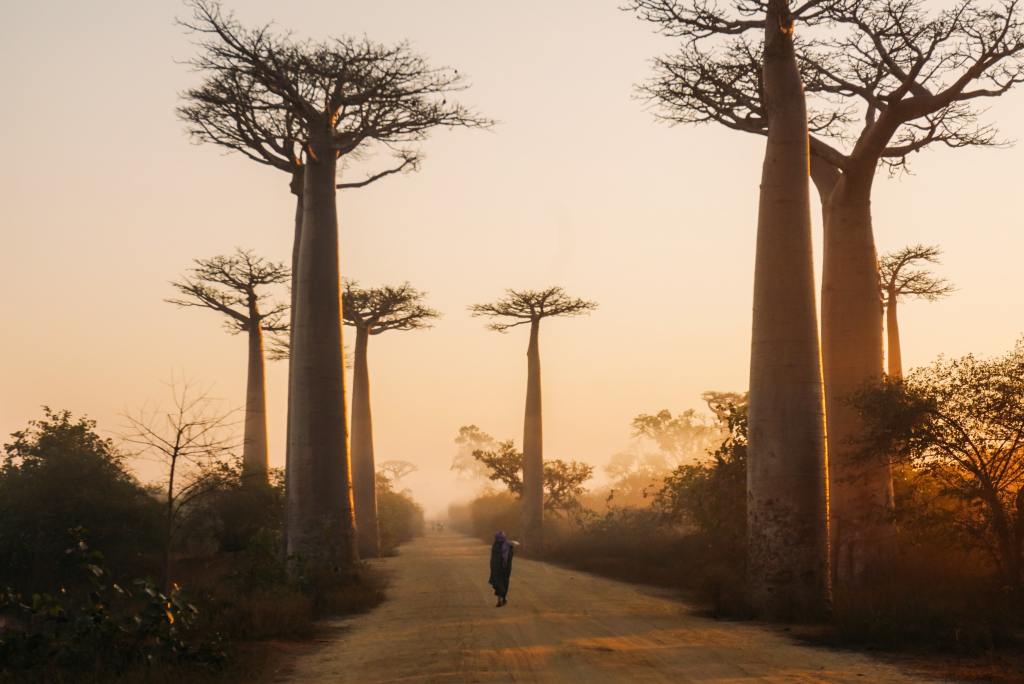
Photo by Yasmine Arfaoui
These remarkable trees can live for around 2,000 years and survive brutal temperatures, fire and drought. They cannot, however, produce fruit until they are 200 years old.
Baobab fruits are excellent sources of vitamin C, potassium, calcium, fibre and magnesium.
7. Tasmanian Devils are the world’s largest carnivorous marsupials.

Photo by Meg Jerrard
These infamous animals can eat 40% of their own body weight
They devour not just the meat of their prey but the hair, organs and bones too.
8. Hippos produce a natural sunblock.
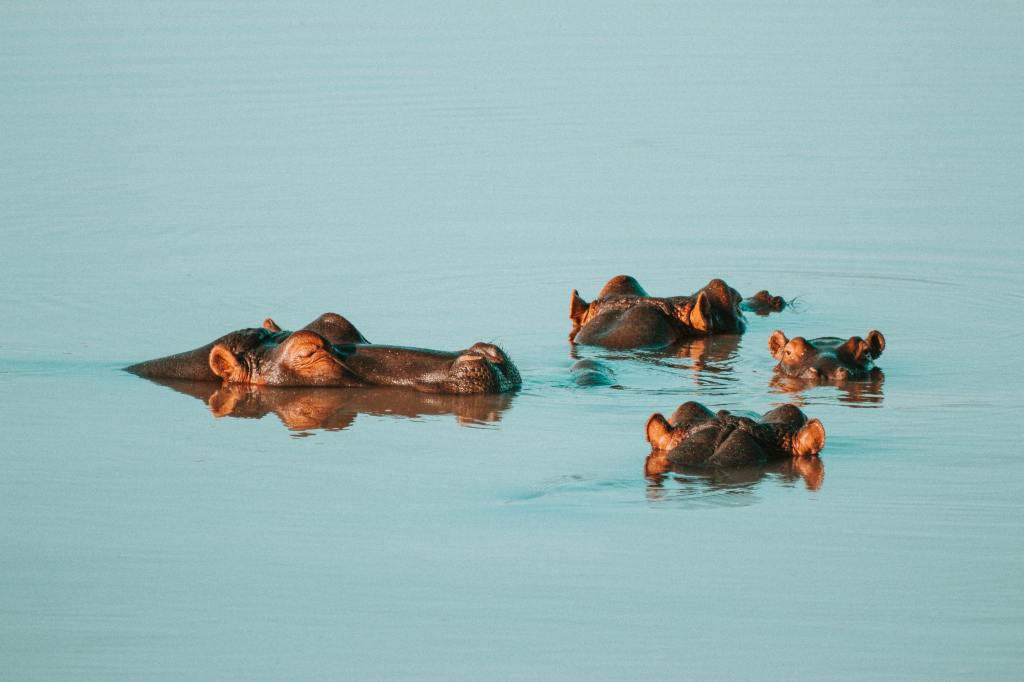
Photo by Wade Lambert
Hippos have extremely sensitive skin. To prevent sunburn/drying, they secrete a scarlet liquid known as ‘blood sweat’.
In addition to blocking UV rays, this liquid also acts as an antibiotic.
9. Arctic hares can see nearly 360° without moving a muscle.

Photo by Isaac Demeester
These masters of camouflage have eyes on the side of their heads with thick black eyelashes that act as sunglasses.
They can also run at speeds up to 40 miles per hour.
10. Flamingos are extremely resilience animals.
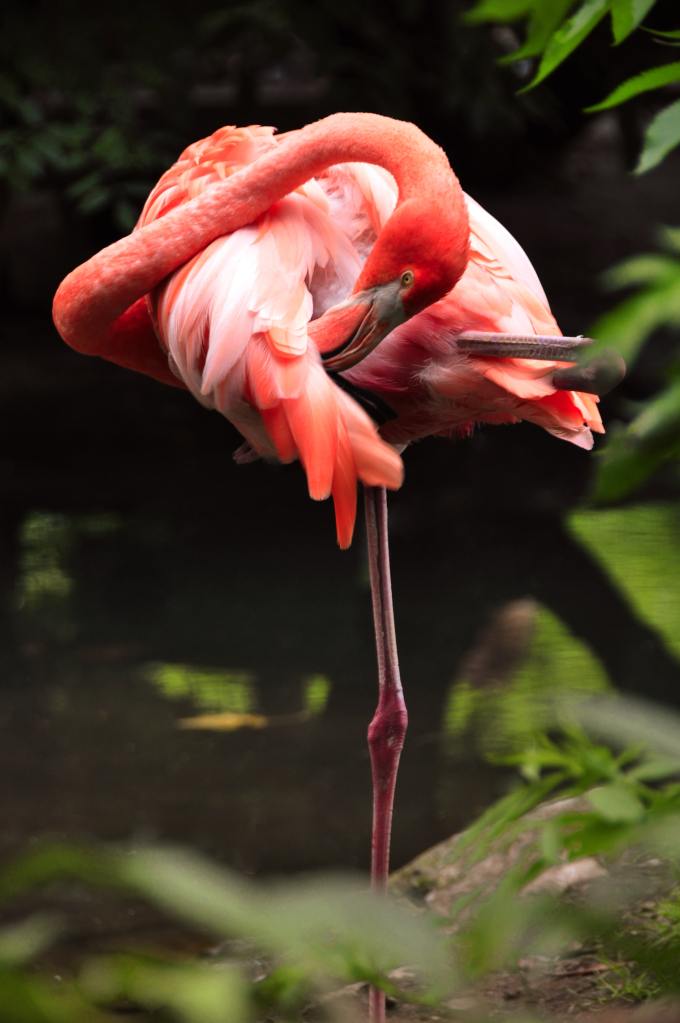
Photo by Lieselot. Dalle
75% of Earth’s lesser flamingo population are born in one of its most toxic bodies of water.
Lake Natron lies at the base of one of Africa’s most active volcanoes. Turned bright red by cyanobacteria, the water in this lake has a pH of 9-10.5 and regularly rises above 40°C. There is also so much sodium carbonate in the lake that most animals unfortunate enough to dip into it are chemically preserved in the pose in which they perished.
All this makes Lake Natron the perfect breeding ground for lesser flamingos, with their tough skin and their ability to drink boiling water and remove salt from their nasal cavities.
 Space Cat Press